Jesse Aldredge
Game Quality Assurance & Design
My name is Jesse Aldredge, and I’m currently a QA Tester at ProbablyMonsters, where I test active game builds across multiple platforms, support build verification and regression testing, log detailed defects in Jira, and collaborate with developers, producers, designers, and QA teammates to improve gameplay quality. I also serve as the QA point of contact for audio issues, supporting test coverage, documentation, and validation across varied hardware setups.
Shipped titles include Storm Lancers and Ire: A Prologue.
Shipped Titles
Shipped titles I’ve supported as a QA Tester at ProbablyMonsters, contributing to gameplay testing, regression, bug reporting, and build validation.
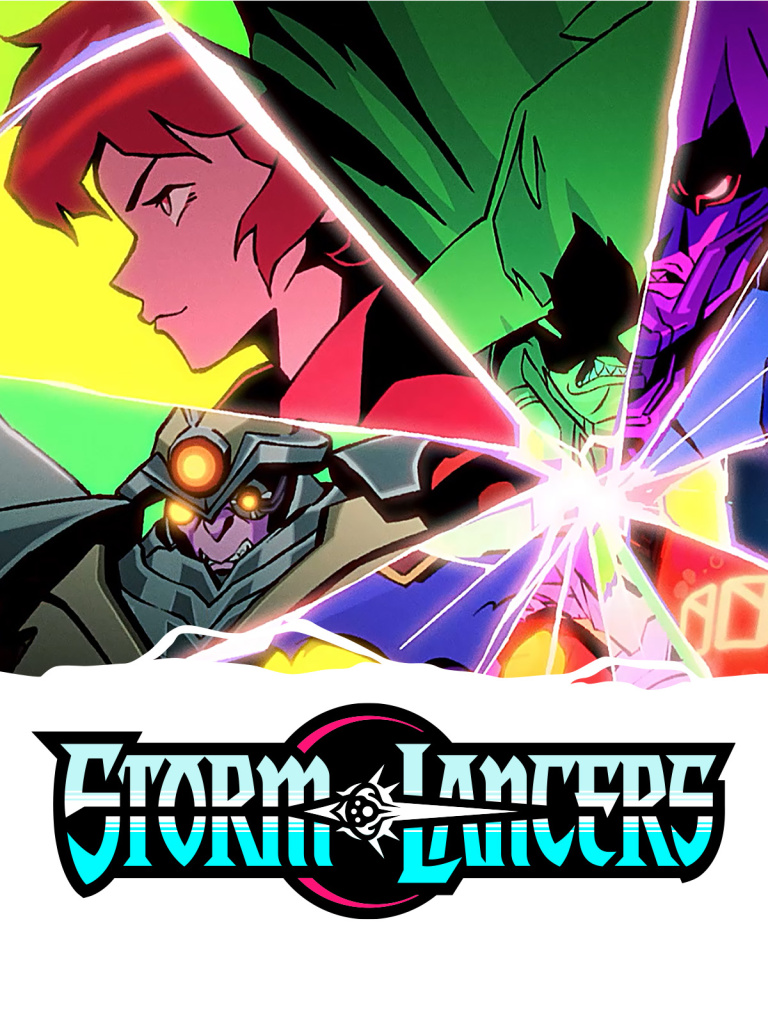
Storm Lancers
Role:
QA Tester
Contributed to QA testing across gameplay systems, regression, build verification, and player-facing quality for this shipped title.
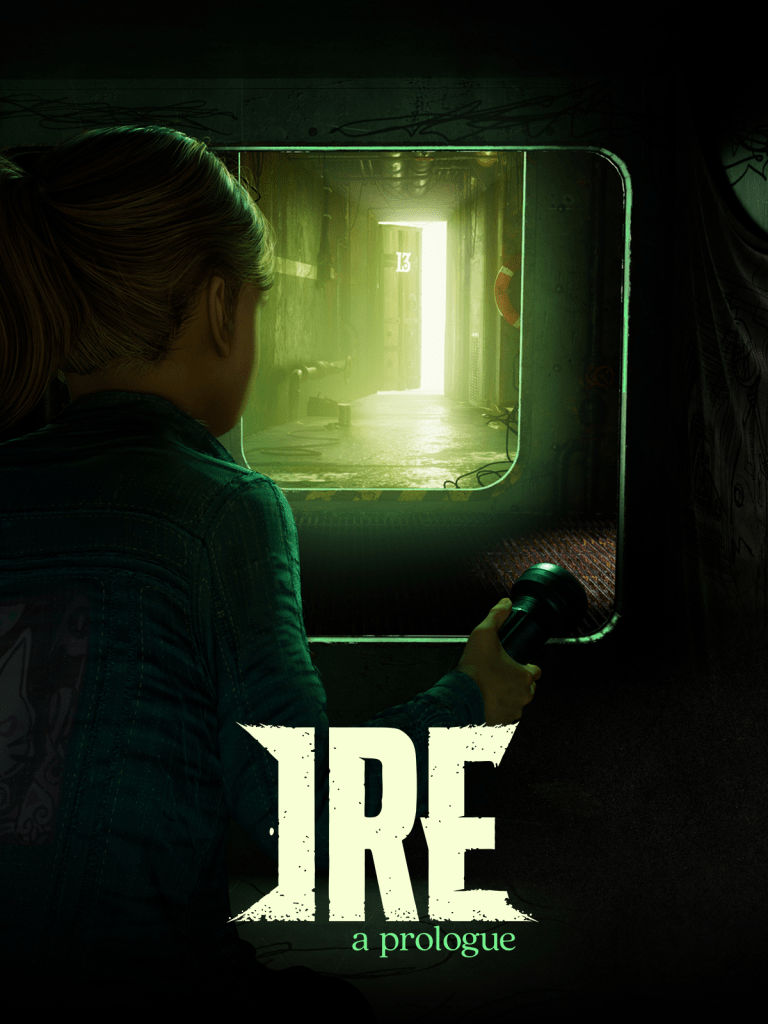
Ire: A Prologue
Role:
QA Tester
Contributed to QA testing across gameplay systems, regression, build verification, and player-facing quality for this shipped title.
Featured Projects
cyber.EXEcution
cyber.EXEcution is a fast-paced first-person shooter set in a fragmented digital realm, blending fluid movement, intense combat, and a glitchy cyberpunk aesthetic. Developed over four months with Team Scarlet Retina, the project showcases innovative gameplay design, cohesive art direction, and seamless collaboration.


Dreamscape Hotel
In this project, I take an idea/concept through the development cycle and into a fully-functional prototype in only 3 weeks.
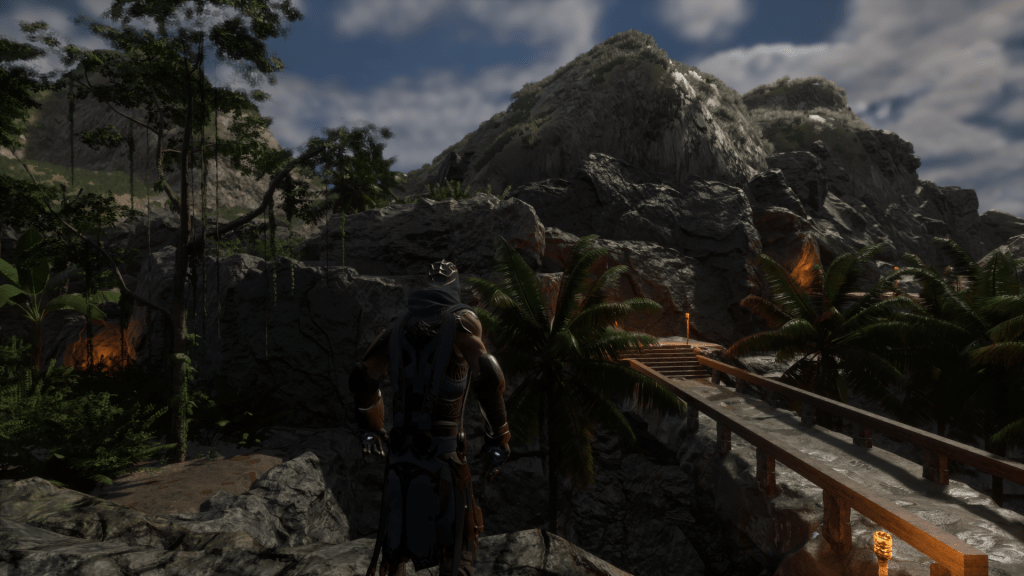
Island Adventure Project
A large-scale team project involving development of an adventure game from pre-alpha to gold.
Tile-Based Game (Tournamental)
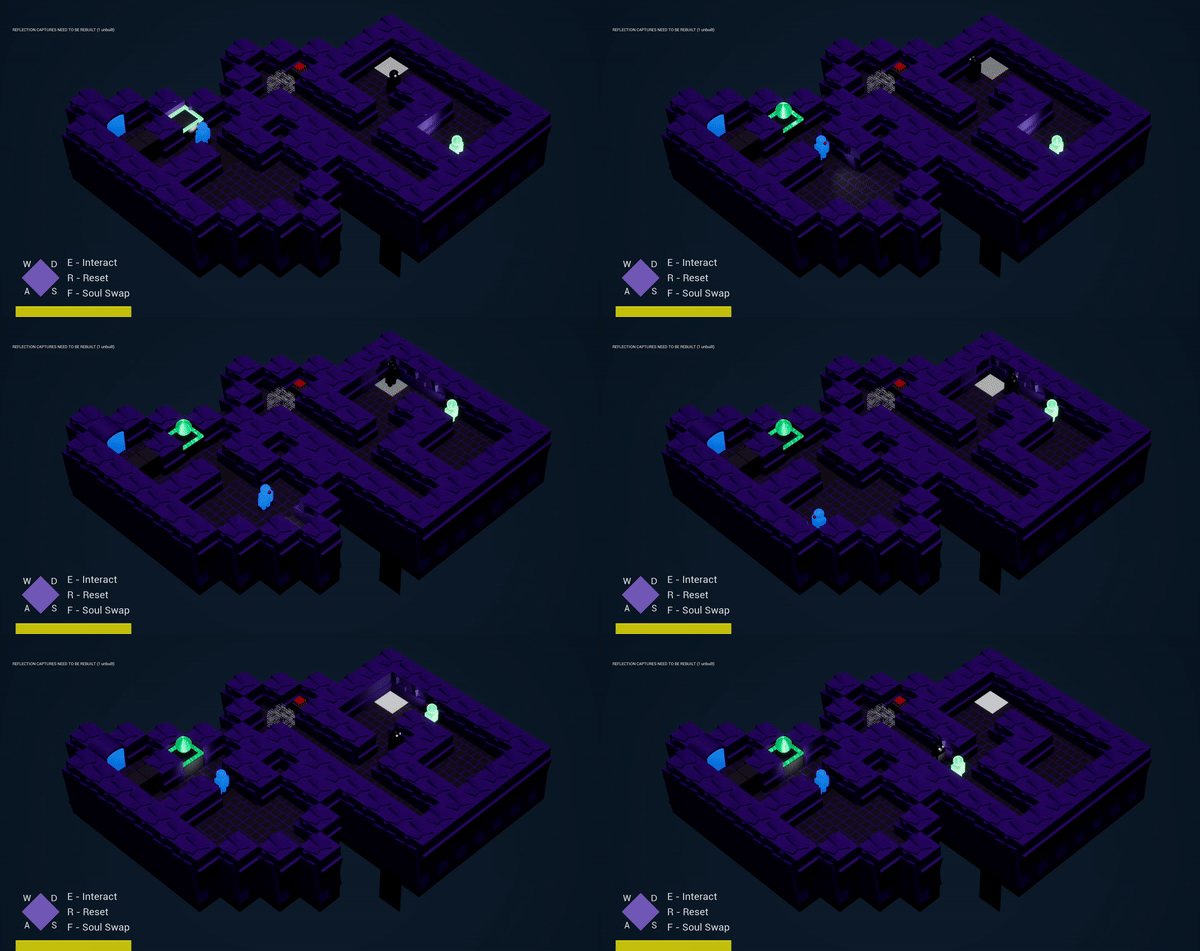
Designing fun puzzles using custom mechanics and levels in a tile-based game!
Software Skills
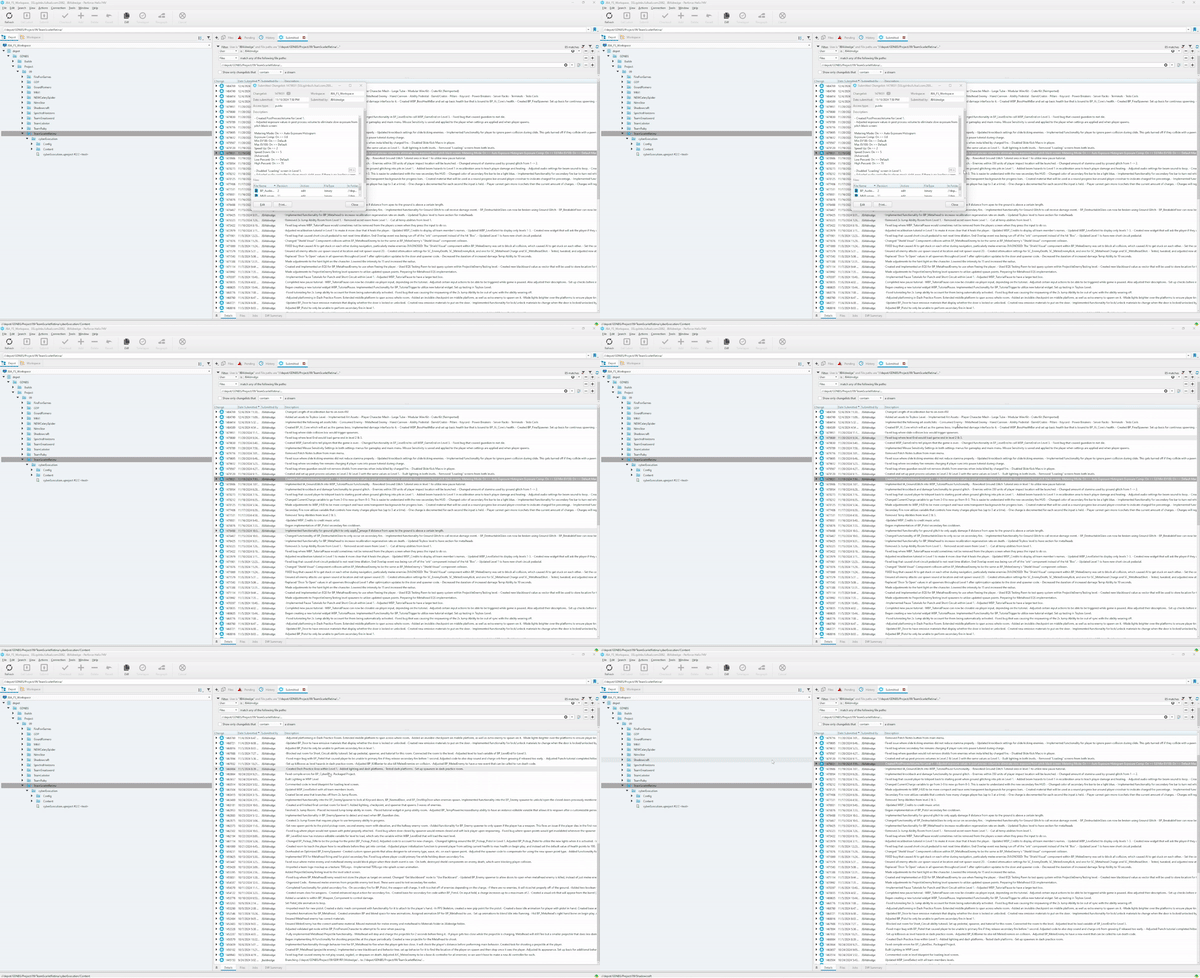
Perforce
Perforce enables me to collaborate with team members by managing game assets and code in a structured and secure environment. Its version control system ensures I can track changes, resolve conflicts quickly, and maintain project integrity, which is essential for delivering polished and cohesive games.
TestRail
I use TestRail to author, organize, and execute test cases, suites, and specs, helping ensure features are tested consistently across builds and milestones. It allows me to track coverage, validate expected behavior, and support a more structured QA process as projects evolve.
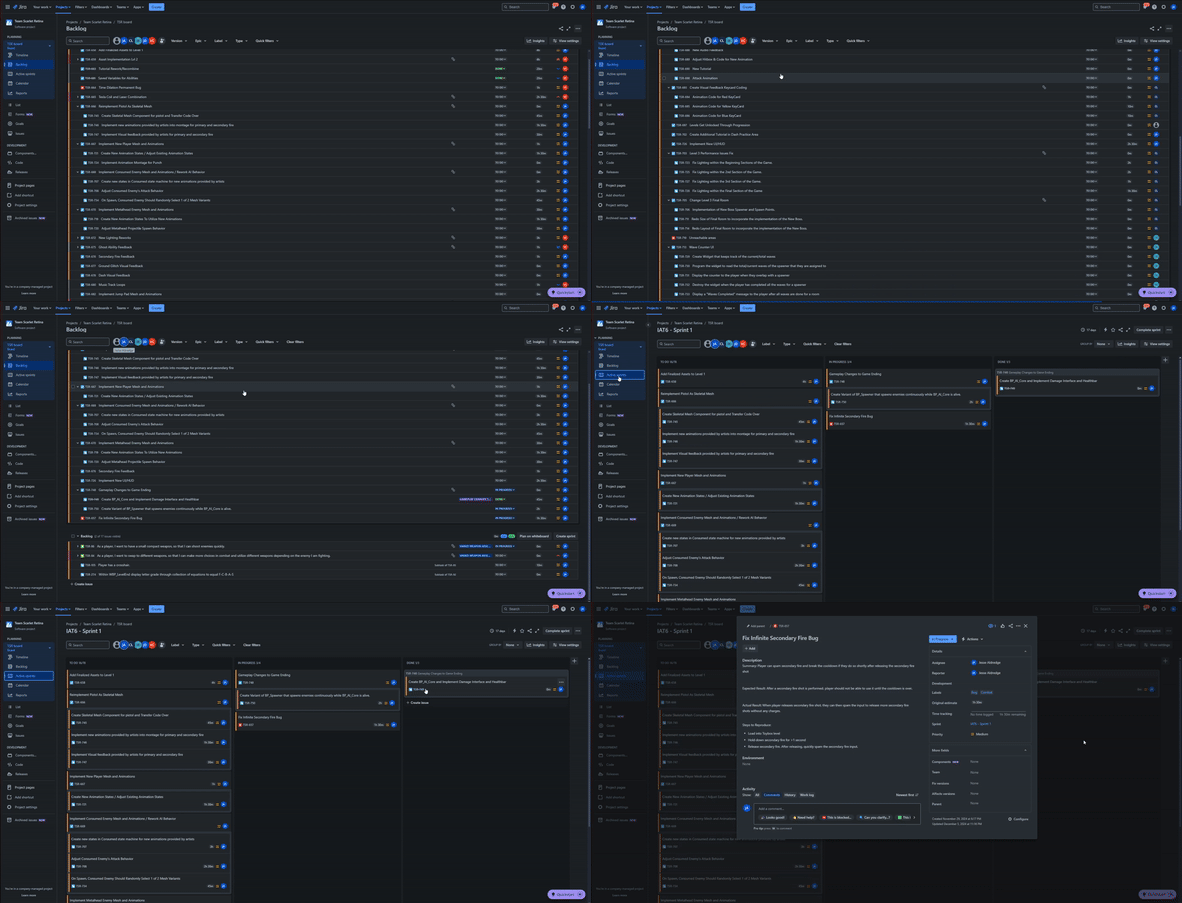
Jira
Jira helps me stay organized and manage development tasks effectively, from tracking progress to prioritizing features. I use it to break down complex goals into manageable tasks, ensuring deadlines are met and keeping the team on track in high-pressure production environments.
Confluence
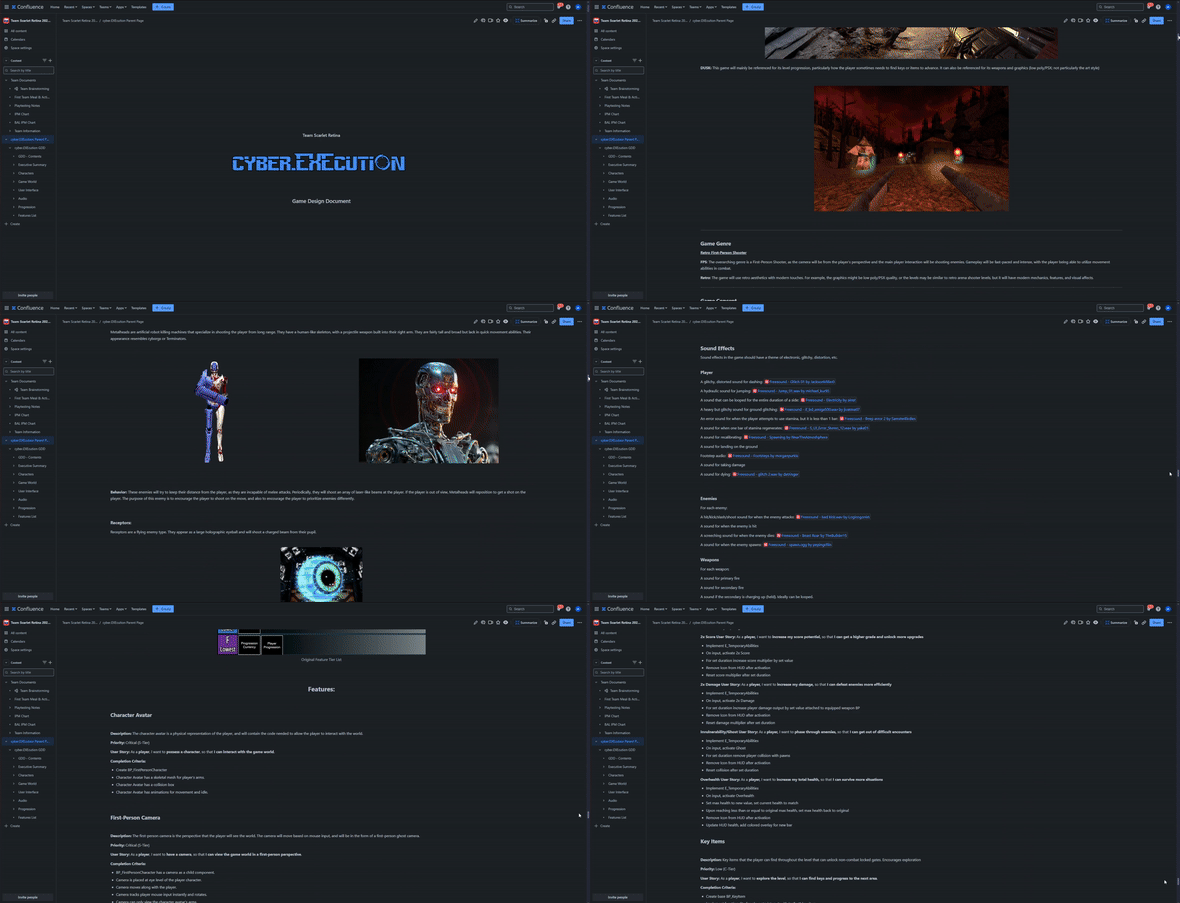
I use Confluence to create and maintain detailed Game Design Documents (including the 45-page handcrafted GDD below), ensuring my ideas are well-organized and clearly communicated to team members. It allows me to structure my design thoughts and collaborate efficiently, which is critical for aligning everyone during development and adapting designs as projects evolve.